"Japan Inquiry" is a 4-day, 3-night study tour program conducted in the 9th grade. From within the broad framework of real-world Japanese society, students independently formulate research themes incorporating SDG perspectives, with the journey taking place across six distinct courses selected through repeated student presentations and voting rounds. Spanning a long arc from the initial planning and project creation phases in the second half of the 8th grade, to the actual field study in September of the 9th grade, and extending through post-trip learning, students refine their spirit of mutual cooperation in group dynamics, leadership qualities, and problem-setting and problem-solving competencies. The research outcomes are shared as presentations during the Expression Festival or compiled into student-designed posters. Planning a project from scratch and building its content to study a facet of "Japan" that sparks one's curiosity provides a sense of fulfillment and achievement rarely found in traditional school trips. It also equips students with a wide spectrum of functional skills, including project planning abilities, presentation proficiencies, and problem-identification and resolution capabilities.
 Nihon Tankyuu
Nihon Tankyuu
Nihon Tankyuu
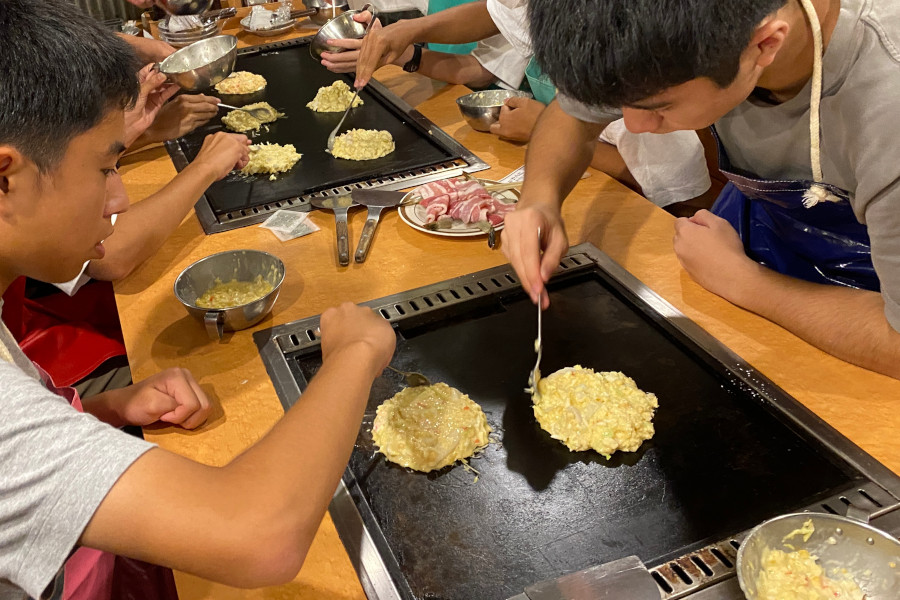
Flour-Based Food (Konamono) Course (Osaka Prefecture)
To uncover the reasons why wheat flour dishes, which became widespread during the postwar food shortage era, evolved into a distinct "Konamono Culture," we visited the Osaka Museum of History and the Konamon Museum to interview experts and gather insights.
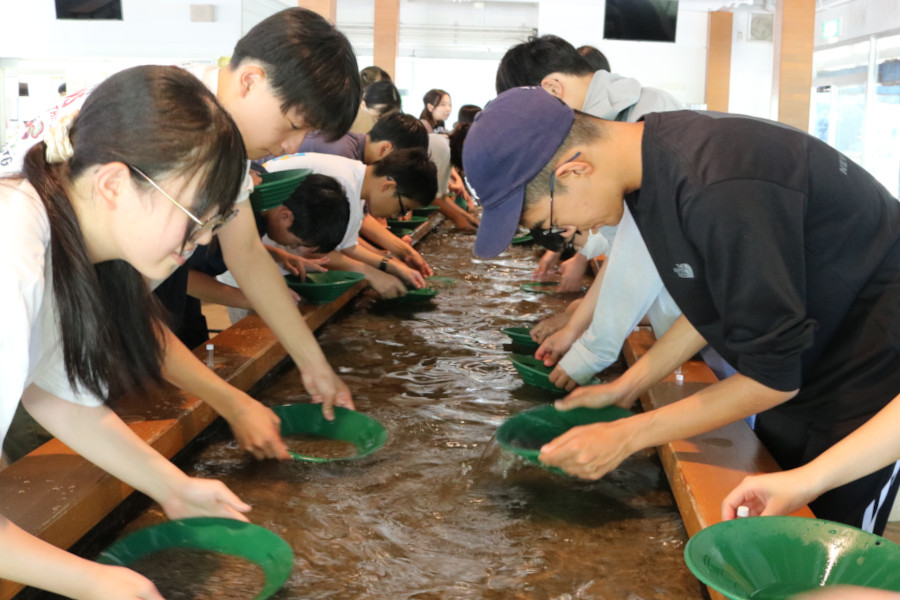
Gold Course (Niigata Prefecture)
Centering on Sado Island's "invisible gold" theme, students toured the Sado Gold Mine and Toki Forest Park, exploring the World Heritage site of Sado Island through multiple lenses, including its history, industries, tourism, and natural environment.
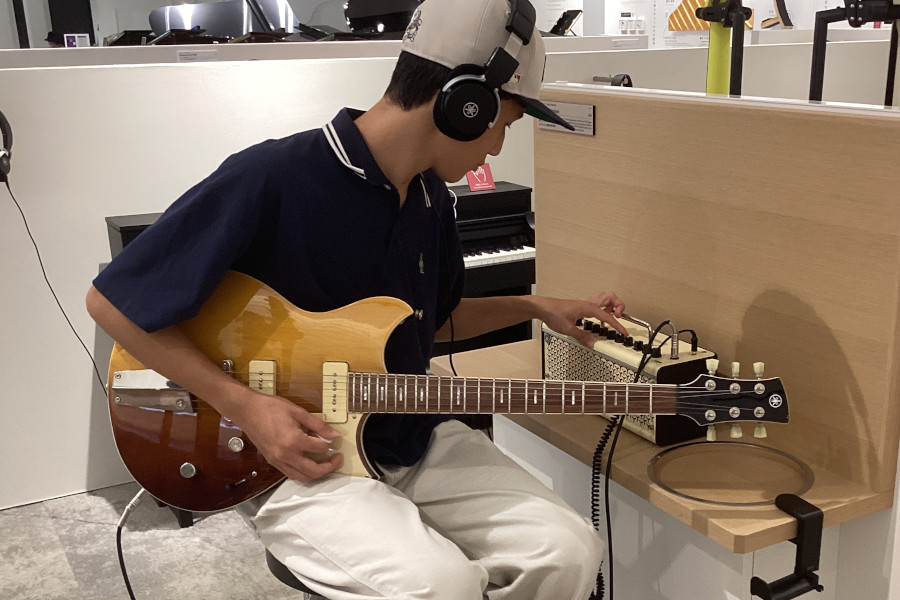
Musical Instruments Course (Shizuoka Prefecture)
Students visited Shizuoka Prefecture to study instruments spanning traditional heritage to modern engineering, conceptualizing "Instruments of the Future" designed with careful consideration for natural environments and barrier-free accessibility.
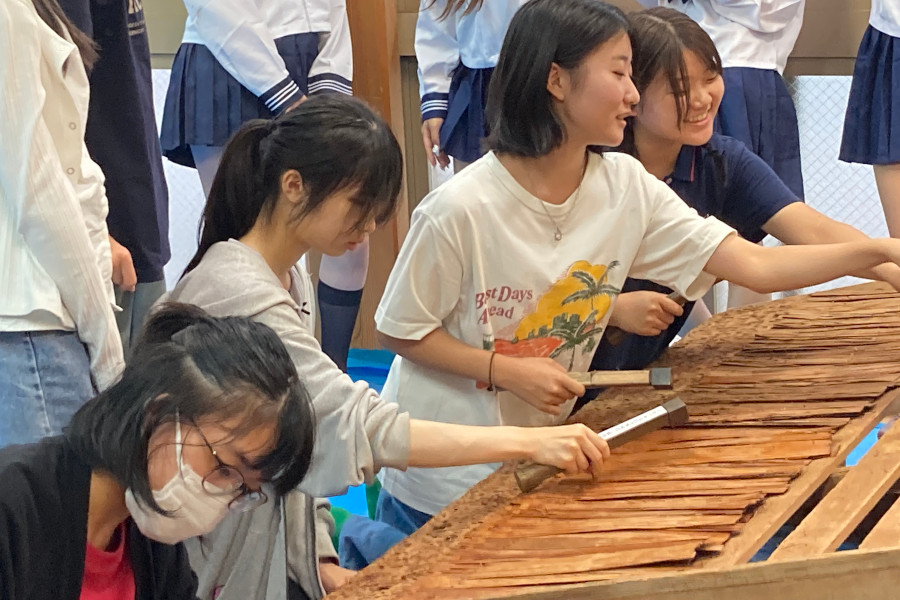
Architecture Course (Kyoto Prefecture)
Through site inspections of Kyoto's historical architectural landmarks, including Kiyomizu-dera and Byodoin Phoenix Hall, combined with lectures from traditional master shrine carpenters (Miyadaiku), students learned about the seismic engineering techniques utilized to preserve historic architectural landscapes.
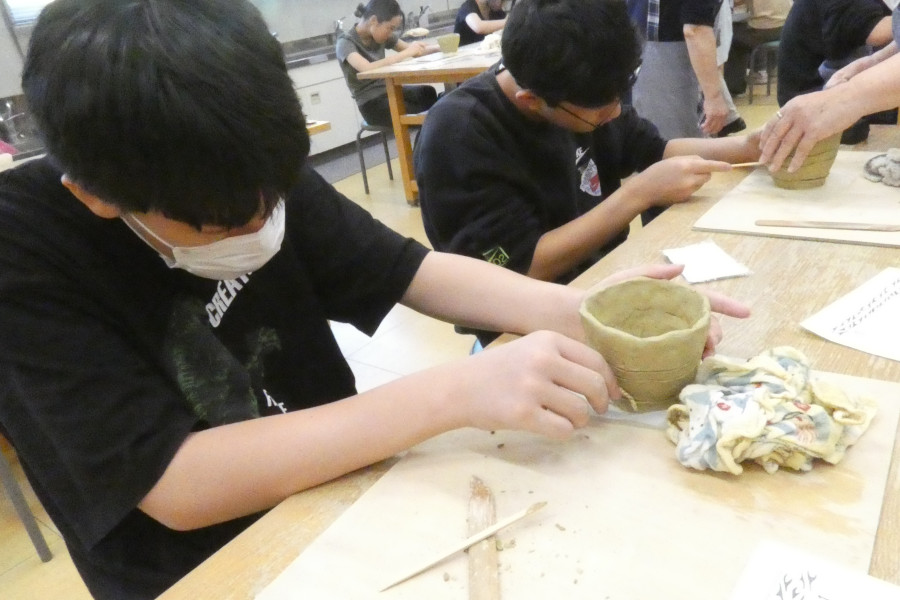
Dialect Course (Aomori Prefecture)
Focusing specifically on the Tsugaru and Nanbu dialects, students investigated the geographical and cultural dimensions behind why regional areas utilize distinct dialects, while also learning about cutting-edge research modules leveraging artificial intelligence.
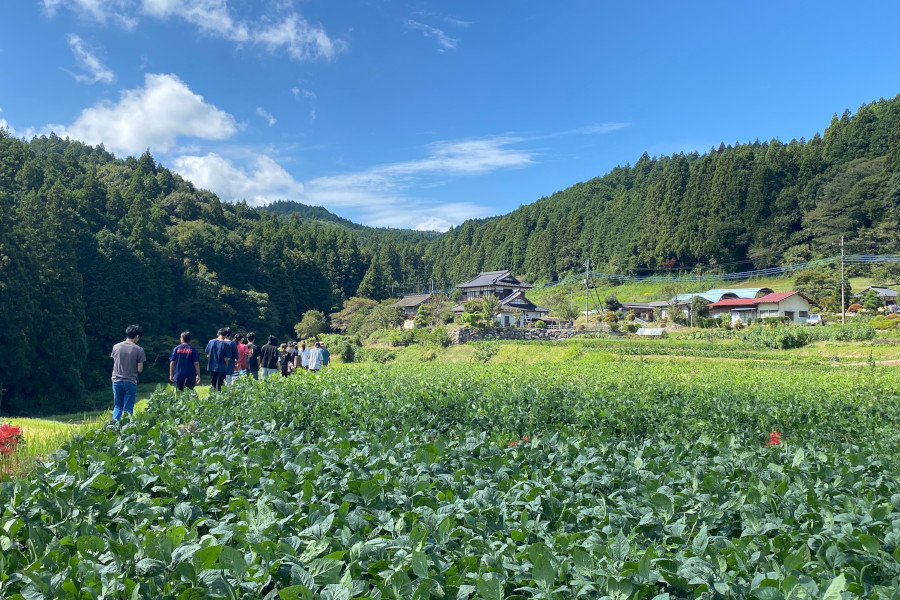
Food Development Course (Ibaraki Prefecture)
Students investigated "Okara" (soy pulp), a byproduct generated during tofu production that is overwhelmingly discarded as waste, designing original culinary modification recipes to broaden the functional utility of okara ingredients.